

When a winter storm knocks out the grid or a summer heatwave strains local power supplies, homeowners are no longer willing to be left in the dark. This growing desire for energy security has fueled a significant shift: more households than ever are ditching traditional backup options in favor of residential lithium batteries integrated into their Home Energy System. Beyond just keeping the lights on, these batteries have become a cornerstone of modern Household Energy Storage System (HESS) setups, offering a blend of reliability, efficiency, and long-term savings that aligns with today’s homeowner priorities.
The first and most pressing driver is grid unreliability. Climate change has intensified extreme weather events, with power outages lasting hours—or even days—becoming commonplace. Unlike noisy, fuel-dependent generators that require constant refueling and emit fumes, residential lithium batteries provide silent, instant backup power. When paired with solar panels, they create a self-sustaining Residential Energy Storage System that keeps essential appliances like refrigerators, HVAC units, and medical devices running seamlessly. A 2024 survey by the National Renewable Energy Laboratory found that 68% of homeowners who installed lithium batteries cited “grid outage protection” as their top motivation, up from 45% just three years ago.
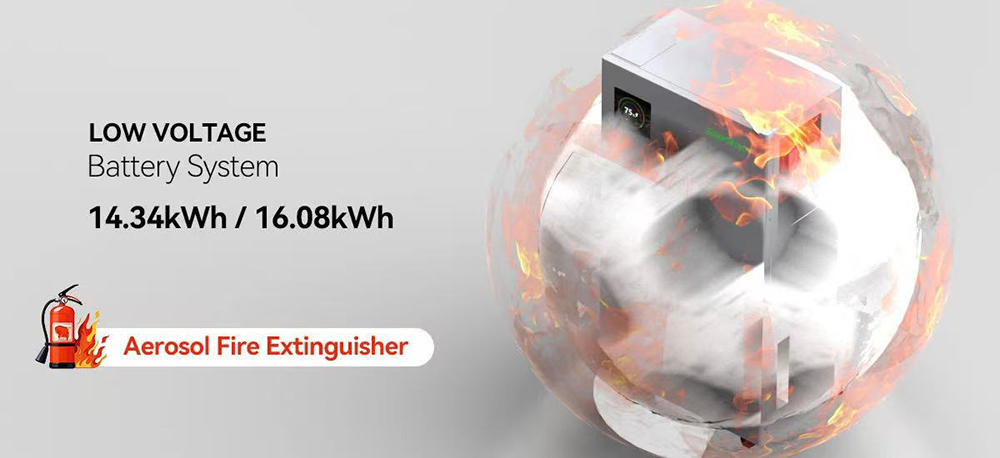
Cost savings are another powerful incentive. With electricity rates rising by an average of 7.2% annually across the U.S., homeowners are eager to take control of their energy bills. A well-designed Home Energy System with lithium batteries allows users to “shift” energy usage: store electricity from solar panels during the day (or cheap grid power during off-peak hours) and use it during peak demand times when rates are highest. This practice, known as “peak shaving,” can cut monthly electricity costs by 20% to 35% for typical households. Additionally, federal and state tax incentives—some covering up to 30% of installation costs—have made these systems far more accessible than they were a decade ago.
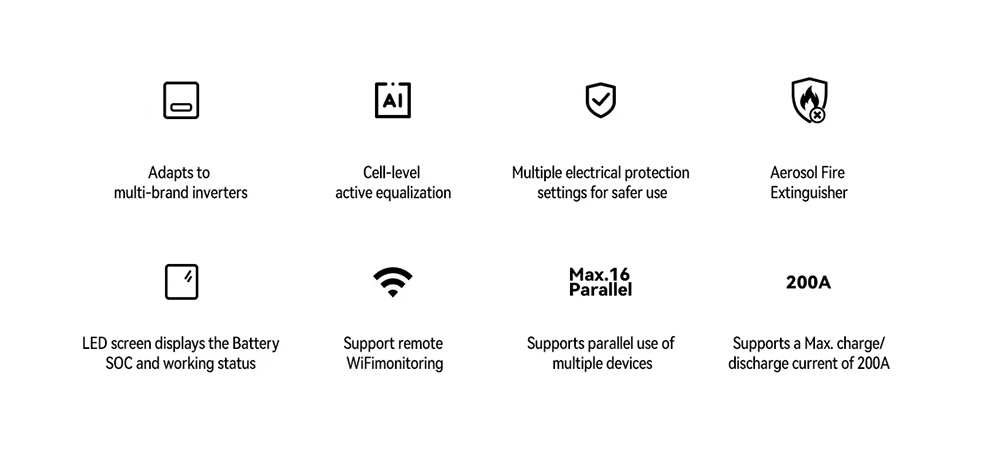
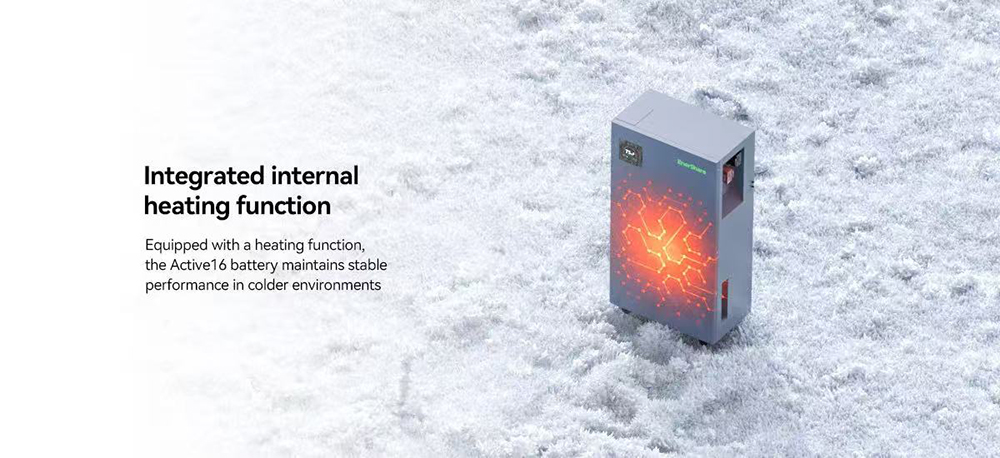
The evolution of lithium battery technology has also addressed past concerns. Early residential batteries were bulky, short-lived, and expensive, but modern iterations offer a lifespan of 10 to 15 years, compact designs that fit in garages or basements, and improved safety features like thermal management systems. Unlike lead-acid batteries (once the go-to for backup power), lithium batteries require minimal maintenance and retain more of their storage capacity over time. This durability makes them a smart long-term investment for a Household Energy Storage System, as homeowners won’t face frequent replacement costs.
Environmental consciousness plays a role too. As more households commit to reducing their carbon footprint, a Residential Energy Storage System with lithium batteries becomes a natural complement to solar or wind energy. By storing renewable energy instead of relying on fossil fuel-generated grid power, homeowners can lower their carbon emissions by up to 4 tons per year—equivalent to taking a car off the road. This aligns with both personal values and growing community initiatives to transition to clean energy.
Finally, the rise of smart home technology has enhanced the appeal of lithium battery systems. Many modern Home Energy System setups come with apps that let homeowners monitor energy usage, adjust storage settings, and even sell excess stored energy back to the grid (through net metering programs) for additional savings. This level of control and connectivity resonates with tech-savvy homeowners who want to optimize every aspect of their living space.
For today’s homeowners, residential lithium batteries are no longer a luxury—they’re a practical solution to energy insecurity, rising costs, and environmental responsibility. As part of a comprehensive Household Energy Storage System or Residential Energy Storage System, they offer a level of control that traditional backup options simply can’t match. With technology advancing and costs continuing to fall, it’s no wonder more households are making the switch to lithium battery backup power.