

Temperature fluctuation is one of the biggest factors affecting the ignition performance and service life of vehicle power supplies, especially in high-latitude and alpine regions where winter low temperatures severely restrict the normal start of two-wheeled transportation equipment. Traditional power units often suffer from reduced discharge capacity, insufficient instantaneous current, and even failed ignition when exposed to subzero temperatures. With the continuous upgrading of vehicle power technology, professional low-temperature structural design has become a core optimization direction to solve cold-start problems, greatly improving the overall operational stability of motorcycle power equipment in harsh cold environments.
The optimized low-temperature material formula brings fundamental performance improvements to Motor Scooter Lithium Battery. Ordinary lithium power products are prone to electrolyte solidification and increased internal resistance in low-temperature environments, resulting in poor power output. The upgraded low-temperature customized electrolyte and electrode materials maintain active chemical activity under extreme cold conditions, ensuring stable ion circulation and continuous current output. This professional design perfectly fits the daily travel needs of scooter users in cold seasons, avoiding sudden startup failures caused by temperature drops.
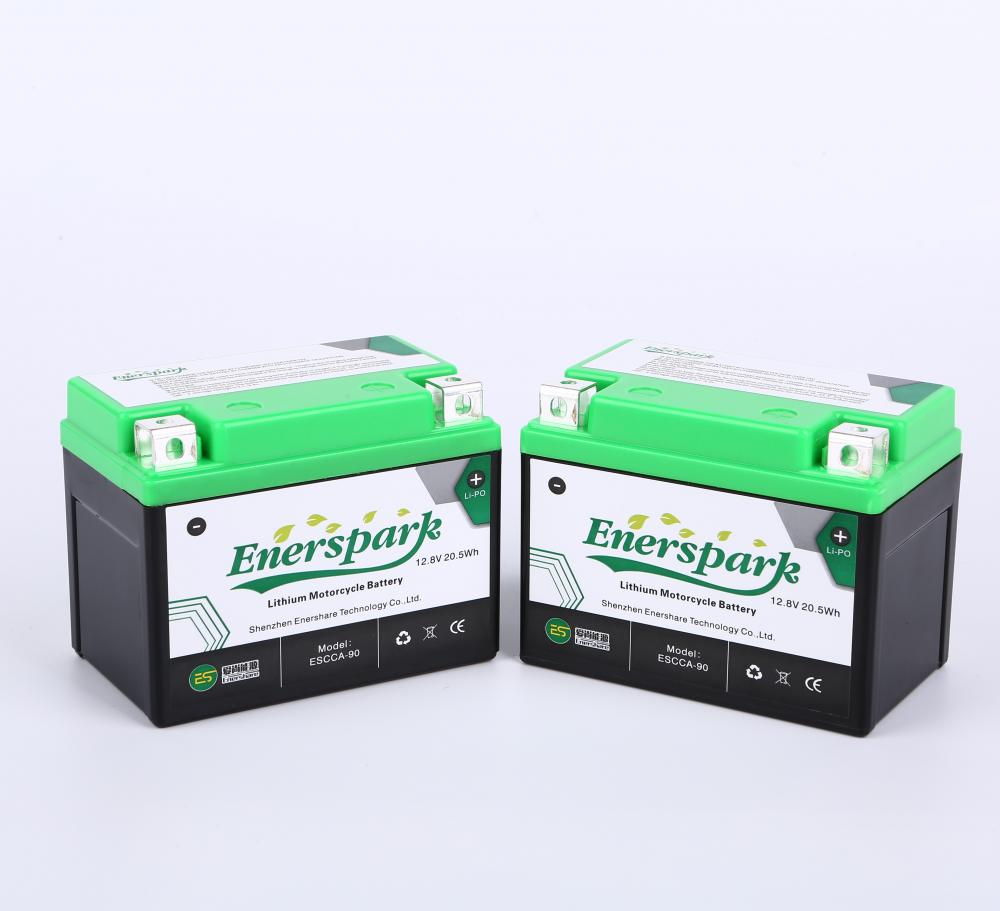
Reasonable internal structural thermal design is another key to enhancing cold resistance for E-motor Lithium Battery. Manufacturers adopt innovative thermal insulation and anti-freezing structures inside the power unit, which can effectively lock internal heat and slow down the heat loss caused by external low temperature. Different from ordinary battery structures that rely on natural heat dissipation, the low-temperature adaptive design balances heat preservation and heat dissipation. It prevents low-temperature failure in winter and avoids overheating damage during high-temperature operation in summer, realizing all-season stable operation of electric motorcycle power equipment.
Intelligent temperature sensing and protection systems further polish the practical performance of Rechargeable Motorbike Starter Battery in low-temperature scenarios. The built-in intelligent management chip can monitor the ambient temperature and internal battery temperature in real time, automatically adjust the discharge strategy and current output mode. When the temperature drops to the preset low-temperature threshold, the system will activate the low-temperature protection mode, preheat the internal structure appropriately, and increase the instantaneous starting current steadily. This intelligent adjustment effectively avoids startup jitter and power attenuation, greatly improving the success rate of cold-start ignition.
The improvement of low-temperature design capability also promotes the standardized upgrading of the entire two-wheeled vehicle power industry. In the past, many power products could only adapt to mild temperature environments and had strict usage restrictions in winter. With the popularization of low-temperature optimization technology, modern rechargeable power units can stably operate in temperatures ranging from -20°C to 60°C, breaking the seasonal usage limitations. For motorcycle dealers and users in alpine regions, low-temperature optimized power products greatly reduce battery replacement frequency and maintenance costs, bringing higher cost performance and usage reliability.
As the global motorcycle and electric two-wheeler market continues to expand, the demand for all-weather adaptable power equipment is growing rapidly. Low-temperature resistant design has become an essential core advantage of high-quality vehicle power products. In the future, with the continuous innovation of new thermal insulation materials and intelligent temperature control technology, the low-temperature stability of two-wheeled vehicle starting power supplies will be further improved, providing more reliable power guarantee for global users’ all-season travel.